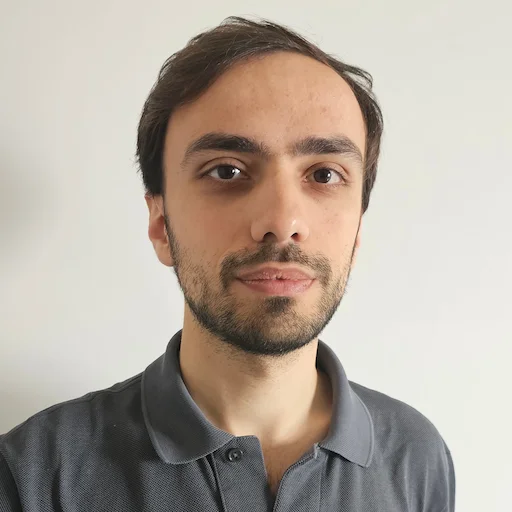
How can machines learn to reason about the world? This question has shaped my path from theoretical physics of complex systems into machine learning and artificial intelligence, and today I lead AI Research at Axiomatic AI, where my team investigates automated scientific reasoning verification, with AI-driven workflows and formal and informal methods.
My research started at the boundary of physics and artificial intelligence. I studied theoretical physics at Sapienza University, focusing on the statistical mechanics of spin glasses. Subsequently, during my PhD at the Max Planck Institute, I developed machine learning methods for artificial scientific discovery: extracting meaningful features from raw data, designing experiments autonomously, and using program synthesis to decompose quantum unitary matrices. At the Flatiron Institute in New York I built on these ideas for astrophysics applications, and trained multimodal transformer models that learn shared representations across images, spectra, and time series.
I've also worked on reinforcement learning at Google DeepMind, studying how agents navigate environments where rewards are very sparse. These are agents that learn to explore by seeking novelty, trying things they have never tried, and by being curious, predicting what will happen when they do, much like a scientist would.
In my work, I like moving fast from idea to working system, building end to end, and getting the details right without losing sight of what the system is actually for.
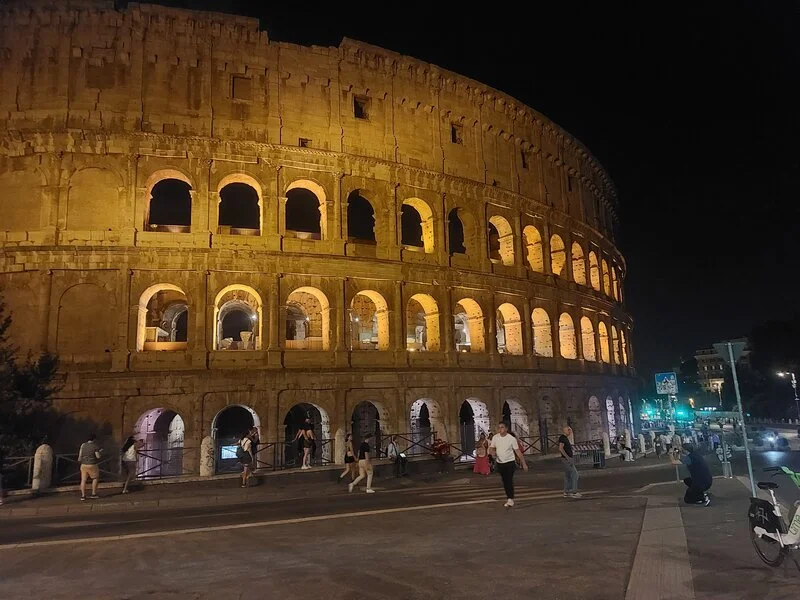
Rome
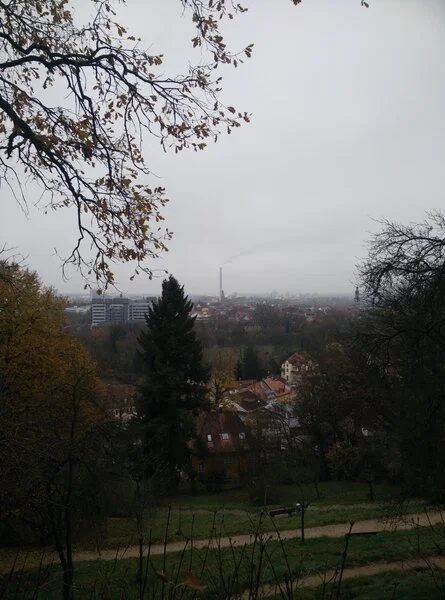
Erlangen
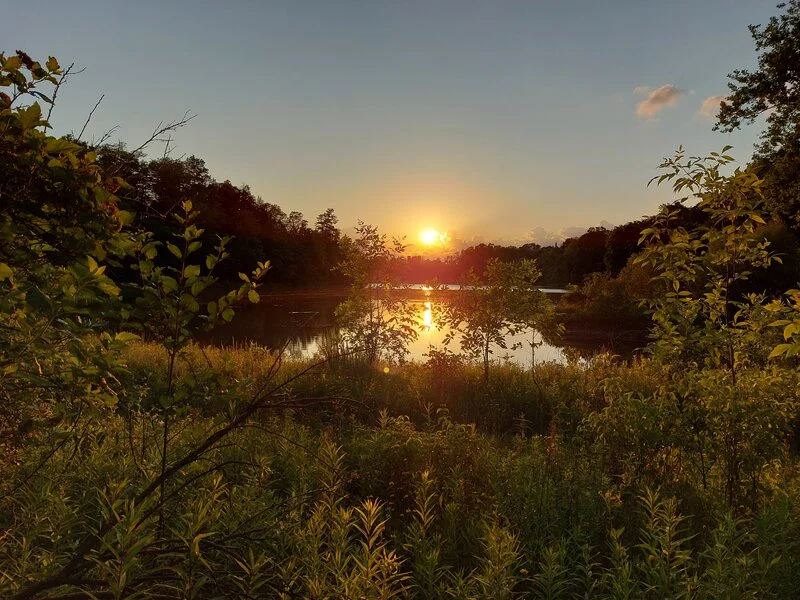
Ithaca
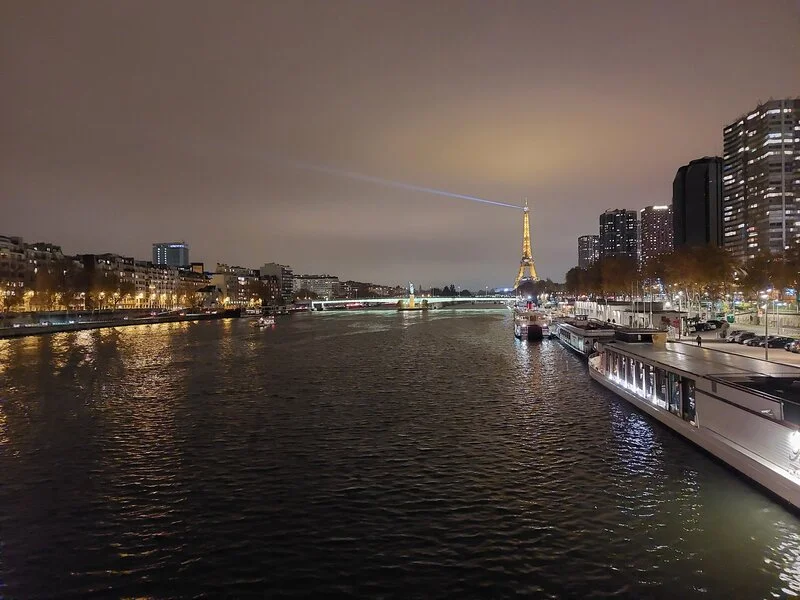
Paris
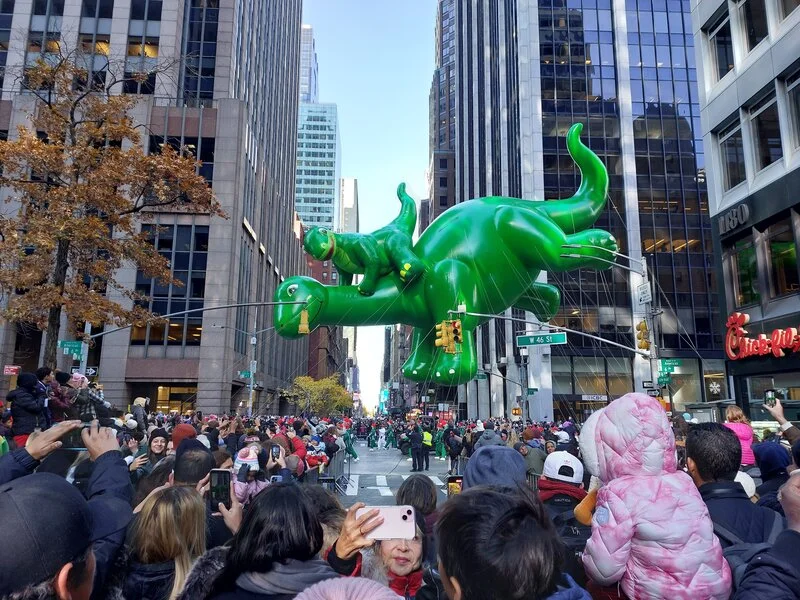
New York
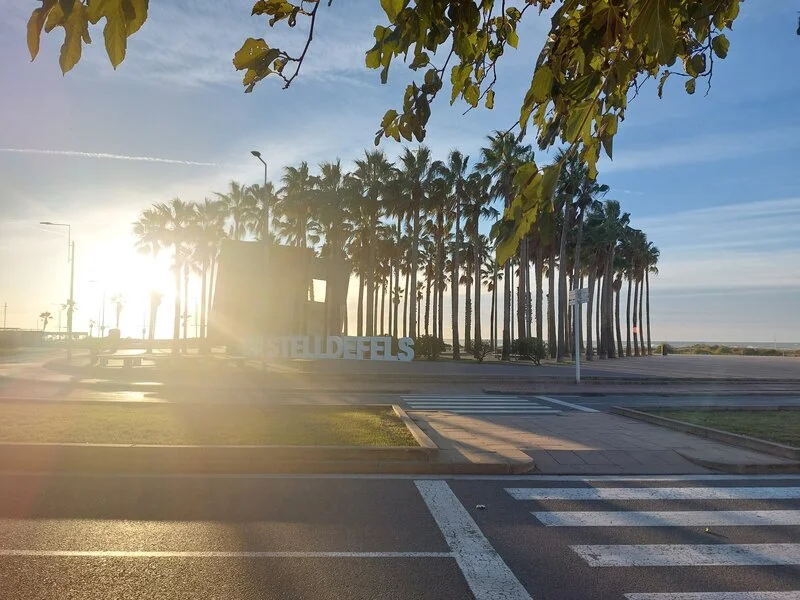
Barcelona
Classical Music
I also trained as a pianist at the Santa Cecilia Conservatory in Rome for over ten years, earning a Diploma in Piano alongside my physics degree. Playing classical music strips everything away: it's just you and the instrument, and there are no shortcuts. A great performance demands preparation on every front, from expression to structure to technical mastery. But it also teaches you that perfection is not the goal: when it's time to perform, you deliver the best you can with what you have. That mindset has shaped how I work.
Franz Schubert
Wanderer Fantasy, D. 760
III. Presto
Johannes Brahms
Intermezzo in A major
Op. 118 No. 2
Frédéric Chopin
Impromptu No. 2 in F-sharp major
Op. 36
Claude Debussy
L'Isle Joyeuse